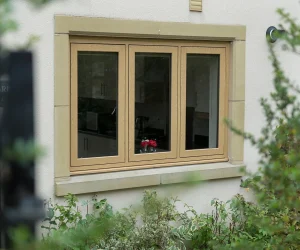
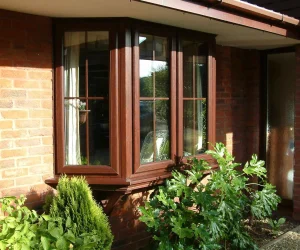
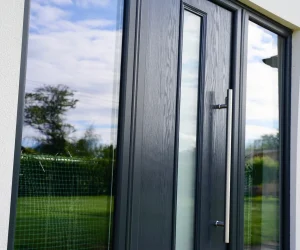
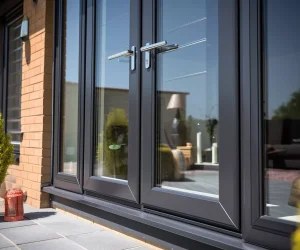

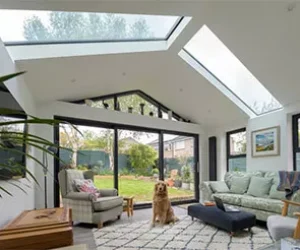

Our triple glazed windows are our most energy-efficient, with an A++ energy rating.
Frames & Hardware
Glazing Options
Useful Info
Useful Info
Useful Info
Our Collections
Case Studies
Useful Info
Frames & Hardware
Glazing Options
Useful Info
Useful Info
Useful Info
Our Collections
Case Studies
Useful Info
How long Does double glazing last for uPVC windows what are the signs that your double glazing needs replacing?
Double glazing is a popular choice for homeowners looking to improve the energy efficiency and insulation of their windows. uPVC (unplasticized polyvinyl chloride) is a common material used in the construction of double-glazed windows, offering a durable and low-maintenance option.
As a homeowner, it’s important to understand how long Should double glazing can last for uPVC windows to ensure you get the most value from your investment.
The lifespan of double glazing can vary depending on several factors, but generally, it is expected to last between 10 to 20 years, with some high-quality installations potentially lasting even longer.
However, it’s important to note that this is a general estimate, and the actual lifespan of your double glazing may differ based on various factors.
In the same way, the lifespan of your windows and how long double glazing should last is dependent on the environment, the quality of the windows and the quality of the installation.
The lifespan of windows can range from 10 to 50 years, contingent upon their quality of manufacture, installation, and maintenance.
Double-glazed windows should, on average, endure at least 20 years.
The lifespan of double glazing can be influenced by a variety of factors, including the quality of the installation, the materials used, and the environmental conditions in which the windows are installed.
On average, double glazed sealed units can last between 10 to 20 years, with some exceptions:
High-Quality Installations: Properly installed double glazed windows, using high-quality materials and techniques, can last up to 20 years or more.
Poor Installations: Poorly installed double glazed windows may only last 5 to 10 years before the seals start to fail and the windows become less energy-efficient.
Harsh Environments: Windows installed in coastal areas or other environments with high levels of humidity, salt, or pollutants may have a shorter lifespan, typically around 10 to 15 years.
Frequent Use: Windows that are opened and closed frequently, such as in commercial or high-traffic residential properties, may have a shorter lifespan compared to windows that are used less often.
The sealed units within double glazed windows are responsible for maintaining the insulating properties and preventing air leaks. These sealed units are typically expected to last between 10 to 20 years, depending on the quality of the materials and the installation process.
High-quality sealed units, when properly installed, can often last for 15 to 20 years before they need to be replaced.
However, lower-quality sealed units or those that have been poorly installed may only last for 10 to 15 years before the seals start to fail and the units become less effective
At Super Glazing, we offer a wide range of window Design options to suit your property.
The lifespan of double glazed windows can be influenced by several factors, including:
The quality of the glass, frame, and sealants used in the double glazed windows can significantly impact their longevity.
Proper installation techniques, such as ensuring proper sealing and alignment, can greatly affect the windows’ performance and lifespan.
Exposure to harsh weather conditions, such as extreme temperatures, UV radiation, and high humidity, can accelerate the deterioration of the windows.
Regular cleaning, lubrication, and minor repairs can help extend the lifespan of double glazed windows.
Windows that are frequently opened and closed may experience more wear and tear compared to windows that are used less frequently.
uPVC windows are known for their long-lasting durability, with a typical lifespan. This can be attributed to the inherent strength and weather-resistant properties of uPVC as a material.
Proper installation and regular maintenance can help uPVC windows reach the upper end of this lifespan range.
Initially, a little increase in investment might result in an additional 10 to 15 years.
Double-glazed UPVC windows have a 20–25 year lifespan.


Larger glass sections may be supported by the sleek, sturdy frames of aluminum windows, which also provide a modern look.
Large floor to ceiling windows and doors are made with them because of their incredibly sturdy frame and multi-point locking mechanism for further security.
Aluminum is a fantastic investment since it is extremely sturdy and may endure for a long time without maintenance.
Aluminum windows have a 45-year lifespan.
Recognizing the signs that your double-glazed windows need replacing is essential to ensure the continued efficiency and safety of your home.
Here are some common indicators that it’s time to consider replacing your double glazing:
If you notice condensation or fogging between the panes of glass, it’s a clear sign that the sealed unit has failed, and the window needs to be replaced.
If you feel cold drafts or notice air leaks around the windows, it could mean the seals have deteriorated, allowing heat to escape and compromising the insulation.
If the windows become increasingly difficult to open or close, it may be a sign of wear and tear on the moving parts or the frame itself.
Cracks, chips, or other visible damage to the glass or the uPVC frame can indicate that the window has reached the end of its lifespan.
If you notice a significant increase in your energy bills, it could be a sign that your double-glazed windows are no longer providing the same level of insulation and energy efficiency.
| Window type | How long they last | Super Glazing guarantee |
|---|---|---|
| Double glazed units | 25 years | Lifetime for condensation and fog |
| uPVC windows | 20–25 years | Lifetime for discolouration (white uPVC) |
| Aluminium windows | 45 years | 25 years for the profile |
| Hardwood timber windows | 50 years | 30 years against rot of the profile |
If your windows are showing any of the signs that they need replacing, our expert team can help you to choose the best solution for your home.
To help extend the lifespan of your double glazed windows, consider the following maintenance tips:
Regular Cleaning: Regularly cleaning the windows, both inside and out, can help prevent the buildup of dirt and debris that can compromise the seals and reduce the windows’ efficiency.
Lubrication: Applying a small amount of silicone-based lubricant to the moving parts of the windows, such as the hinges and locks, can help keep them functioning smoothly.
Minor Repairs: Addressing any minor issues, such as loose screws or damaged weatherstripping, can help prevent further deterioration and extend the overall lifespan of the windows.
Protecting from UV Exposure: Applying a UV-resistant film or coating to the windows can help protect the materials from the damaging effects of sunlight, which can accelerate the aging process.
Proper Ventilation: Ensuring adequate ventilation around the windows can help prevent the buildup of moisture, which can lead to the formation of condensation and the deterioration of the seals.
By following these maintenance tips, homeowners can help extend the lifespan of their double glazed windows and enjoy the benefits of energy-efficient, well-performing windows for years to come.
Book your free quotation appointment with one of our expert consultants who will:
At Super Glazing, we make improving your home simple. From the initial design visit to installation, we take care of it all, from start to finish.