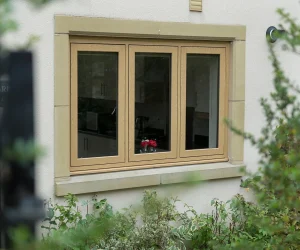
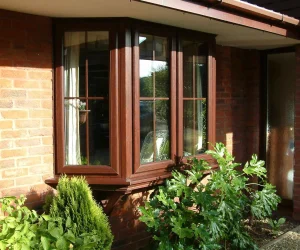
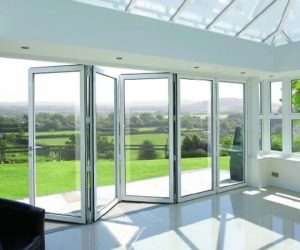
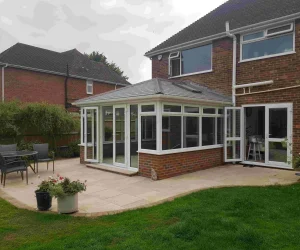
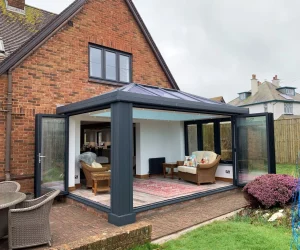
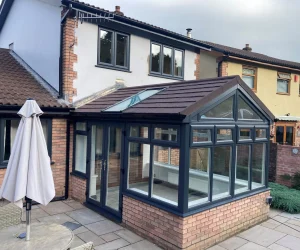

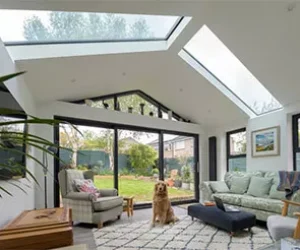
Our triple glazed windows are our most energy-efficient, with an A++ energy rating.

- Offers
- windows

Bay and Bow windows
Frames & Hardware
Glazing Options
- Doors
French Doors
Bi-Folding Doors
Useful Info
- LIVING SPACES
Conservatories
Orangeries
Extensions
Useful Info
- Roofs
Tiled Roofs
Glass Roofs
Tile Roof Colours
Useful Info
- Inspiration
Our Collections
Galleries
Case Studies
Useful Info
- Roofline
- Book appointment

- Offers
- windows
Bay and Bow windows
Frames & Hardware
Glazing Options
- Doors
French Doors
Bi-Folding Doors
Useful Info
- LIVING SPACES
Conservatories
Orangeries
Extensions
Useful Info
- Roofs
Tiled Roofs
Glass Roofs
Tile Roof Colours
Useful Info
- Inspiration
Our Collections
Galleries
Case Studies
Useful Info
- Roofline
- Book appointment
What Are the Standard Window Sizes?
Depending on the various frame types, windows may be found in an extensive range of sizes. To comparison when thinking about replacing your windows, make sure you have the exact measurements from your current windows.

Before we dive into the specifics of standard window sizes, it’s essential to understand the terminology and measurements used in the industry. Window dimensions are typically expressed in width and height, with the width being the horizontal measurement and the height being the vertical measurement.
Choosing the correct window size is not merely a matter of aesthetics; it also impacts various aspects of your home’s functionality and energy efficiency. Oversized windows can lead to excessive heat loss or gain, resulting in higher energy bills and discomfort.
Conversely, windows that are too small may fail to provide adequate ventilation and natural light, compromising the overall livability of your living spaces.
In the UK, window sizes are commonly measured in millimeters (mm) or centimeters (cm), with the width listed first, followed by the height. For example, a standard window size might be 1200mm x 900mm or 120cm x 90cm.
The Standard House Window Sizes in the UK
Standard Window sizes vary between different styles of windows, so please refer to the tables below.
Standard uPVC Window Sizes
Unplasticized Poly Vinyl Chloride (uPVC) windows have gained immense popularity in recent years due to their durability, low maintenance requirements, and energy efficiency. These windows are available in a wide range of sizes to accommodate diverse architectural styles and functional needs.
It’s worth noting that many manufacturers offer bespoke uPVC window solutions, allowing you to customize the dimensions to perfectly fit your specific requirements.
Average uPVC window height:
| Inches (in) | Millimetre (mm) |
|---|---|
| 59 in | 1500 mm |
| 53.1 in | 1350 mm |
| 47.2 in | 1200 mm |
| 41.3 in | 1050 mm |
| 23.6 in | 600 mm |
| 17.7 in | 450 mm |
Average uPVC window width:
| Inches (in) | Millimetre (mm) |
|---|---|
| 69.7 in | 1770 mm |
| 47.2 in | 1200 mm |
| 36 in | 915 mm |
| 24.8 in | 630 mm |
| 19.2 in | 488 mm |
Standard Casement Window Sizes
Casement windows, renowned for their versatility and ease of operation, are among the most popular choices for residential properties in the UK. While the industry does not specify a universal standard size, many manufacturers offer a range of common dimensions to cater to diverse needs.
The most common standard sizes for single casement windows:
| Inches (in) | Millimetre (mm) |
|---|---|
| 25 x 35 in | 635 x 890 mm |
| 29 x 74 in | 736 x 1194 mm |
| 29 x 59 in | 736 x 1498 mm |
Super Glazing manufacture made-to-measure casement windows to order so that your window installation is the perfect fit.
Tilt & Turn Window Sizes
Tilt and turn windows are a practical solution for multi-story buildings, offering both ventilation and easy cleaning capabilities.
However, when considering the size of these windows, it’s essential to account for the height-to-width ratio to ensure proper operation and structural integrity.
The height to width ratio places restrictions on the size of a tilt and turn window. You can only go as broad as the opening part will allow when it grows wider than the height. If not, the hinges will be overworked or there may not be sufficient space for them to open inside.
Single Tilt and Turn Window Dimensions
- Minimum size: 600mm (23.6in) by 500mm (19.7in)
- Maximum size: 1900mm (74.8in) by 1300mm (51.2in)
Double Tilt and Turn Window Sizes
- Minimum size: 600mm (23.6in) by 1200mm (47.2in)
- Maximum size: 1700mm (66.9in) by 2400mm (94.5in)
Triple Tilt and Turn Window Sizes (2 Outer Opening Panes)
- Minimum size: 600mm (23.6in) by 1600mm (62.3in)
- Maximum size: 1900mm (74.8in) by 3000mm (118.1in)
To ensure optimal functionality and longevity, it’s recommended to opt for bespoke made-to-measure uPVC tilt and turn windows, tailored to your specific requirements.
Super Glazing Noise Reduction Windows
Noise reducing glass can help reduce external sound by up to 40dB.
Standard Sash Window Sizes
Sliding sash windows are a classic choice, often found in period properties, exuding a timeless charm and elegance.
While the standard width for sash windows during the Victorian and Edwardian eras was approximately 1.2 m (4 feet), modern sash windows offer a broader range of sizes to accommodate contemporary architectural styles.
Sash window standard widths:
| Inches (in) | Millimetre (mm) |
|---|---|
| 36 in | 914 mm |
| 48 in | 1219 mm |
| 60 in | 1524 mm |
| 72 in | 1829 mm |
| 84 in | 2134 mm |
Sash window standard heights:
| Inches (in) | Millimetre (mm) |
|---|---|
| 24 in | 609 mm |
| 36 in | 914 mm |
| 48 in | 1219 mm |
| 60 in | 1524 mm |
If your property features non standard window sizes, particularly in older buildings, bespoke made-to-measure sash windows with timber or uPVC frames are the ideal solution to ensure a perfect fit.
Standard Bay Window Sizes
Bay windows are a stunning architectural feature that not only add character to your home but also create the illusion of increased space and enhance natural light ingress.
While the dimensions of bay windows can vary, there are general guidelines to consider.
Bay Window Standard Width
- Minimum size: 3 feet 6 inches (101.6cm)
- Maximum size: 10 feet 6 inches (320cm)
Bay Window Standard Height
- Minimum height: 3 feet (91.44cm)
- Maximum height: 6 feet 6 inches (198.12cm)
To ensure a integration with your existing bay window, it’s advisable to opt for made-to-measure bay window solutions, expertly crafted to fit your specific requirements.
The Size of Windows in Different Rooms
While adhering to industry standards is crucial, it’s equally important to consider the unique requirements of each room within your home.
The size and placement of windows can significantly impact factors such as natural light ingress, ventilation, privacy, and overall ambiance.
Bathroom Windows
Bathrooms typically feature the smallest windows in the home, as privacy and ventilation are the primary concerns. The standard size for bathroom windows will depend on the specific window style, such as casement, sliding sash, or tilt and turn.
Living Room Windows
Living rooms are often the focal point of a home, serving as a gathering space for family and friends. Consequently, these rooms typically feature the largest windows, allowing ample natural light to flood in and create a warm, inviting atmosphere.
Sliding sash, bay, and casement windows are commonly used in living room settings.
Kitchen Windows
The size and placement of kitchen windows are influenced by various factors, including the layout of cabinetry, countertops, and backsplashes. Windows above the sink or countertops should be sized to accommodate the heights of these elements, ensuring an aesthetically pleasing and functional design.
Bedroom Windows
In recent years, larger bedroom windows have gained popularity, as they contribute to a sense of openness and allow for ample natural light to enter these personal spaces. Here are some common standard bedroom window sizes:
Measuring for Replacement Windows
When replacing existing windows, accurate measurements are crucial to ensure a fit and optimal performance. Always measure your windows from the outside, using a sturdy metal tape measure, and take three measurements – one in the middle and two towards the edges.
Use the smallest measurement for both the height and width, and repeat the process to ensure accuracy.
Additionally, measure your windows from corner to corner to verify that they are square. Double-check your measurements multiple times to avoid any discrepancies, as even minor errors can lead to costly mistakes.
It’s important to note that window manufacturers typically deduct between 5-10mm from the provided measurements to allow for a snug fit during installation.
What's the Difference Between Double and Triple Glazing?
When it comes to energy efficiency, the glazing (or glass panes) of your windows plays a crucial role. Double-glazed windows feature two panes of glass with a sealed air or gas-filled space between them, while triple-glazed windows have three panes of glass with two air or gas-filled spaces.
Triple-glazed windows offer superior insulation compared to double-glazed windows, which can result in lower energy bills and a more comfortable indoor environment. However, triple-glazed windows are generally more expensive and may not be necessary in milder climates.
Learn More About Double Vs Triple glazing windows…
- Correctly spaced gaps between the panes.
- Type of gas or coating used as the insulator.
- Type and quality of the materials.
- Level of tailored manufacturing to your home.

DOUBLE GLAZED WINDOWS
Our high-quality double glazed windows will keep your home warm, safe and quiet.

Start Your Project Today...
Book your free quotation appointment with one of our expert consultants who will:
- Provide an accurate, no-obligation quote
- Offer ideas and practical solutions
- Show you samples of our products
- Take all necessary measurements
GET A FREE QUOTE
- Your information is 100% secure